Franks: Romania’s economy has slowed down
ACTMedia - 29 Iunie 2011
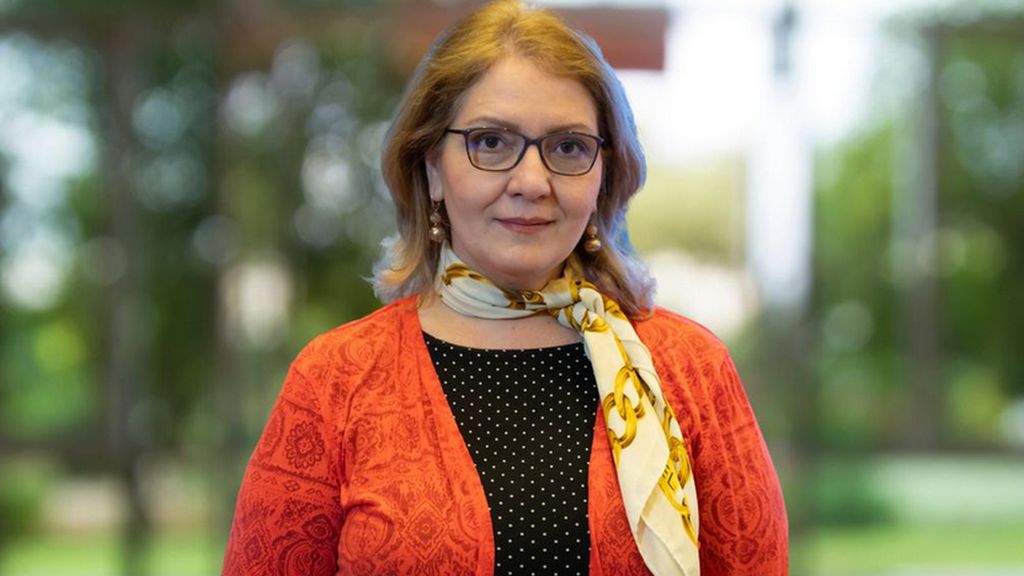
Preliminary data show that the advance of exports and industrial output have slowed down in the second quarter, which will lead to an economic growth below the level of the first quarter, the head of the IMF mission for Romania, Jeffrey Franks declared, according to Mediafax.
There are some indicators that show a slowing down of economic growth in the second quarter. We must see when we have final data, how much growth has slowed down. However we expect a positive evolution of GDP, the IMF official added.
Asked whether he expects the reduced economic growth rate to maintain until the end of the year, Franks said IMF maintains its 1.5% increase prognosis for the whole year, based on the unexpected advance of the first quarter. Since figures for the first quarter were higher than expected there is room for a slower evolution in the following quarters. IMF does not see a change of prognosis for the time being, Franks showed.
Economy grew by 0.7% in the first quarter compared to the first quarter of 2010 and by 1.7% compared to the first three months of 2010, and sustained advance mainly in industry, on the background of a significant increase of exports.
The IMF Managerial Board approved on Monday the first evaluation of the new preventive type accord by which they laid an installment of 481 million euro at Romania's disposal.According to Franks, the meeting of board members was a short one and they were satisfied with Romania's reform progress. He mentioned that Romania had fulfilled all accord targets for the end of March concerning budget deficit, arrears, expenses as well as the level of losses for state companies. He mentioned it was the first time when he could go to the board without any exemptions. The arrear target, which was a problem in the past, was fulfilled that time, the IMF official added.
A change in the monetary policy to be made later in the year
According to him, a potential change in the monetary policy is a decision that can be made later this year, not necessarily in Wednesday's board meeting of the central bank .'It is the sovereign decision of the National Bank whether they should raise the rate or not, but I would say that in terms of making the decision on raising the rate, what we need to look at is not what's going on with the current inflation, but what we are expecting to happen with inflation in 12 to 18 months down the road, because monetary policy takes a while to take effect, So, the National Bank needs to look at its models, what inflation is forecast to do in 2012, and on that basis make a decision,' Franks said.
According to analysts, the central bank will most likely decide to keep the main lending rate at 6.25% per year. IMF acting managing director and chair John Lipsky said Tuesday that inflationary pressures have been stronger than expected, under global food and fuel price shocks.'The authorities have appropriately announced a change in the monetary policy stance towards a tightening bias. Early policy action could be needed to ensure that inflationary expectations and second round effects are well contained,' Lipsky said.
Early-May, the central bank decided to maintain the key rate at 6.25% a year, for the eighth consecutive meeting, and minimum required reserves for banks were maintained as well.At the same time, the central bank revised upwards the inflation forecast for 2011, to 5.1%, from 3.6%, sensibly above the 2%-4% target. The central bank also increased the inflation forecast for 2012, to 3.6%, from 3.2%. For both years, the central bank set an inflation target of 3%, plus/minus one percentage point.The new inflation forecast for this year shows that the inflation target might be overshot for the fifth year in a row.
Romania will meet H1 fiscal targets
Romania's low level of expenditure will most likely allow for the first half fiscal targets to be achieved, but the authorities still need to imporove the EU-related capital spending, said Jeffery Franks .Finance Ministry data shows that the budget deficit stood at 1.36% of the GDP in May, while revenue rose 10% on the month and expenditure declined 3.4%. At the same time, investment narrowed by 5.4%.
'While lower current expenditure is good news, lower capital expenditure is not such good news. We want more capital spending if it is EU-related. (...) It is still a need to improve the EU absorption. There is no doubt about that,' Franks said.He added budget data is better than forecasted in the precautionary agreement, which means the targets set for the first half of the year will most likely be achieved.
For the end of this year, Romanian authorities pledged to keep the budget gap below 4.4% of the GDP.
Sursa: http://www.actmedia.eu
Tags: policy
central
inflation
franks
first
romania
slowed
quarter
euro
Articole similare
facebook
twitter
linkedin
youtube
rss
newsletter