Real estate investment worth 793.1 million euros, in H1
AGERPRES - Romanian News Agency - 11 Noiembrie 2008
Transactions for real estate investment in Romania, in H1 this year, stood at 793.1 million euros, of which, in volume, 77 percent, were made in Bucharest, reads a half-year research of real estate company DTZ Echinox.
In the second half of 2007 and the first half of 2008, most transactions, or 50.7 percent of the total invested, were concentrated in the retail segment. The sector of mixed projects stood at 23.6 percent of the total, followed by those regarding the sector of spaces for offices and industrial spaces, 19.9 percent, and 5.8 percent, respectively.
The most important investment in H1 2008 was that made by RREEF Real Estate, which invested 340 million euros in a Bucharest project of mixed type, developed by Upground Estates, including some 600 apartments and 100,000 sq m of spaces for offices.
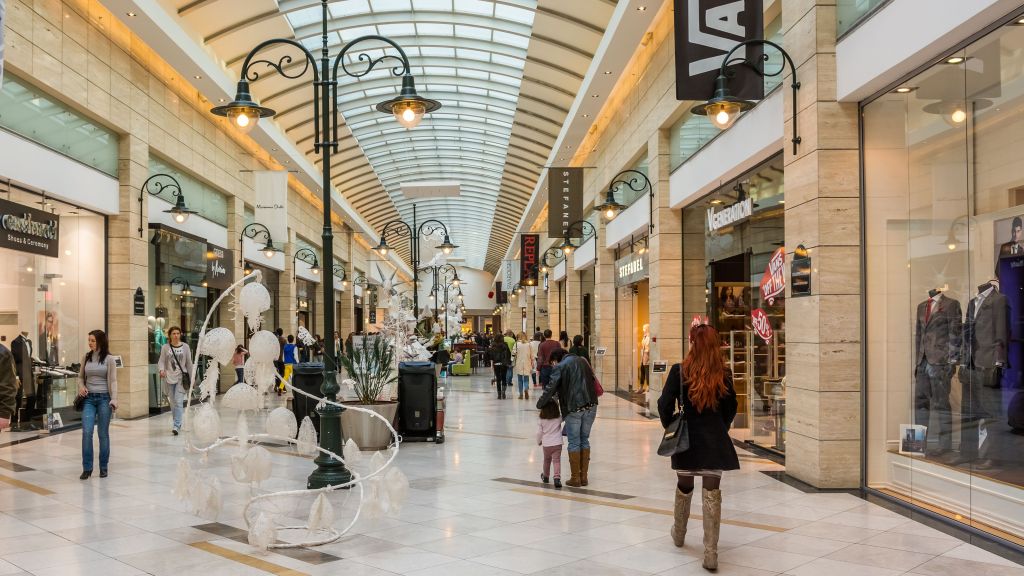
Second comes the purchase of Iris Shopping Center project by DEGI, for 147 million euros, up until now the biggest transaction regarding one shopping center in Bucharest.
Portuguese investor Sonae Sierra took half of the mixed project Parklake Plaza, from Irish developer Caelum, under a transaction worth 45 million euros. The project will cover a total renting area of 110,000 sq m, its opening is planned for 2011.
Out of Bucharest, the most important investment transactions registered in the period of study have involved Winmarkt portfolio, including 15 shopping centers, located everywhere in Romania, in cities such as Ploiesti, southern Romania, Cluj-Napoca, center-west, Pitesti, Slatina, south, Galati, east, Buzau, south, Braila and Tulcea, east, with the investment made by Italian investor IGD Group, which bought the portfolio for 182.5 million euros, from NCH Capital.
The Romanian market, getting mature, has drawn new low-risk investment funds, while, at the same time, it has been noticed that opportunistic funds have profited from the low level of yields in the real estate market, and sold the investments they have made so far. Estimates say that the number and value of transactions in the Romanian market will stay high, due to the good conditions in the market and to the high number of projects planned in almost all the segments.
But investment funds are expected to show more cautiousness in making decisions to purchase expensive properties and will focus on products capable of higher yields. This prudent behaviour will be a consequence of instability in the international market, this year. Despite that, Romania has been less hit by the recent crisis of credits in the United States, and consequently, it is thought that the real estate in Bucharest, in Romania, in general, will stay attractive for international investors, because of a low rate of non-occupation, of the constant demand, of the stabilization of rents and of the potential of positive growth, although lower than in the previous years.
In the first two quarters of 2008, it was noticed that A class yields registered a slight increase, and those from class B and class C properties followed a strongly rising trend.
The first-rank yields in the H2 2007 saw the lowest level, below six percent, but in H1 2008, the yields of A class office spaces go to the level registered in H1 2007, of 6.5 - 7 percent. In 2007, the yields in the sector of industrial spaces dropped slightly, and in H1 2008, they ranged between 8 and 9 percent, function of the type of development. These figures are comparable with those in 2007. It is estimated that, in 2009, the A class yields for the retail sector will stand between 7 and 8 percent.
The strong economy and the labour market, together with a real estate market in full swing, have boosted the demand of bank loans not only from individuals, but also from companies. The wish to acquire large market shares, dominant among banks with foreign capital, has substantially influenced, it too, the rise in crediting in Romania.
Making a comparison with other European countries, the share of domestic loans, as a percentage of GDP, still stays low, said DTZ Echinox. Despite that, it is estimated that the agitation felt in the international financial market on short term will calm down the rise in crediting in Romania, but it would be very complicated to make an assessment on the specificity of this element and of the moment when it takes place. The brokers from DTZ Echinox believe that a tough monetary policy would inevitably lead to a fall in the pace of granting loans.
Sursa: http://www.rompress.ro
Tags: spaces
market
yields
class
bucharest
percent
investment
million
euros
romania
estate
Articole similare
facebook
twitter
linkedin
youtube
rss
newsletter