“Romania must invest more in youth and technical experts�
Nine o'Clock - 18 Noiembrie 2008
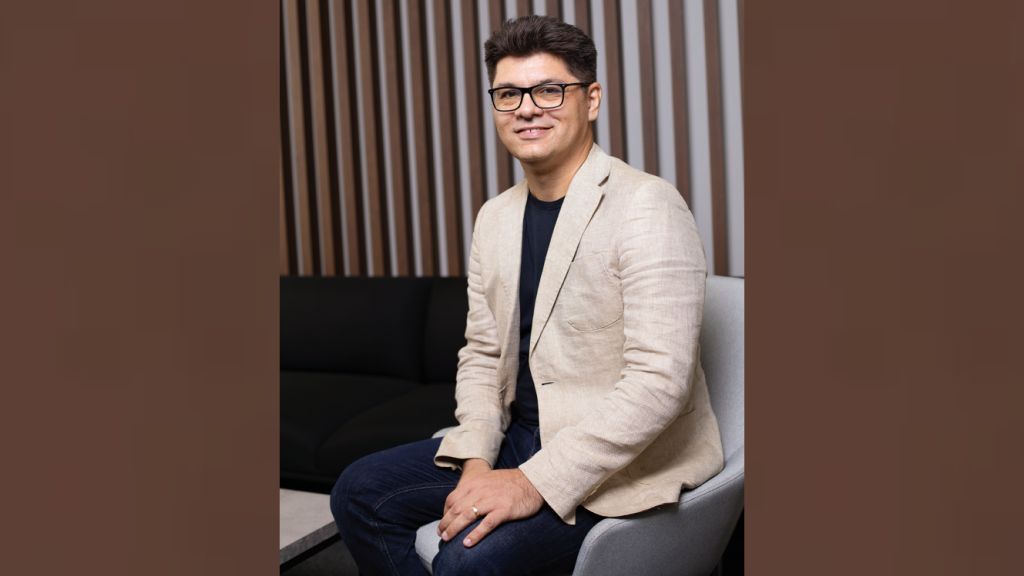
Interview with Mario Moretti Pollegato, GEOX Chairman, Romania's Honorary Consul in Treviso.
How do you expect GEOX to develop in the forthcoming period?
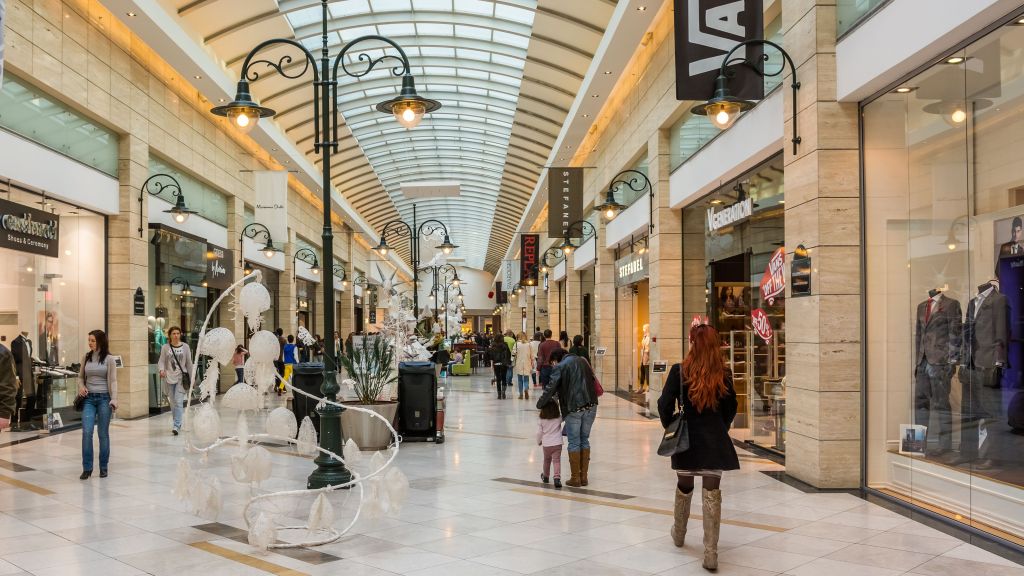
Quite well, I should say, in terms of business operation. We have a very good cooperation with Otter, we have already opened six stores in Romania (three in Bucharest, and one each in Brasov, Constanta and Iasi). In the forthcoming period we will open new stores, in Cotroceni Park and in Constanta, in 2009. Moreover, this year we have launched the "breathing jacket" on the market. It has been selling very well, and we have a 50 per cent increase in sales every year. In terms of production, as you already know, we are manufacturing footwear in Timisoara, where we have invested in what I should call, by a general term, "style." It is a shift from the usual production operation to investments in the training of youth. We intend to train young people here, in Romania, to create the style and design of our products. It will be increasingly difficult to produce footwear here in Romania, for several reasons: first of all, because in Timisoara County we have difficulties hiring workforce; and secondly, because labour training requires increasingly higher costs. Therefore, the manufacturing and design of the products is truly a problem. Romania is moving forward, there are a lot of very talented young people who are able to carry out creative work, who can be designers or researchers. At present we cannot increase our production capacity and output, because a lot of employees are leaving for Italy or Spain or wherever they earn better.
You are also the Honorary Consul of Romania in Treviso. How can you harmonise this mission with the chairmanship of GEOX?
As a rule, honorary consuls are also business people. I decided to accept this mission 12 years ago, because I embraced the cause of Romania, I have always helped Romania, from an economic and social point of view. I have brought many of my fellow entrepreneurs to Romania, and they have invested here. I have helped Romania with my political and diplomatic connections, so as to step up the European accession process. In Romania I have initiated charities - and one example is the children's care centre in Breaza. The aid came through the PONTE DEL SORISO foundation, established by the UIL trade union and by Confindustria, as I am one of the founders of this entity.
Do you believe that the ongoing international financial crisis may impact the economic relations between Romania and Italy?
Today, Italian investors rank first in the standing of foreign investments in Romania by the number of trade companies. In turn, the Romanian immigrants in Italy make up the largest foreign community in Italy. According to the latest statistics worked out by the Italian Government, 625,000 Romanians are living in Italy, whereas Romanian statistics mention over one million Romanians in Italy. The inconsistency may be accounted for by Romanians living in Italy without being registered, without having all the required documents in order. Last year alone, the Romanian population in Italy increased by 82.7 per cent, which means that 283,000 Romanians came to our country. They now make up the largest community here. During Prime Minister Tariceanu's visit to Italy, Premier Berlusconi thanked the Romanians who work in the Peninsula, for their contribution to the development of the country. In economic terms, the Romanians in Italy contribute EUR 2.26 bln to the Italian GDP. And while in the past the Romanian workforce only included housekeepers and workers, now there are also technical experts, engineers, etc. During their meeting, the two prime ministers also talked about the negative aspects of the Romanian immigration to Italy, the Roma in particular (a 120,000-strong community around the Peninsula). There is ongoing judicial cooperation between the justice ministries in the two countries, and local communities use European funding for better control of the territory. In fact, a law on the repatriation of underage youth took effect on October 12. Moreover, a marketing campaign has been implemented, to shed new light on the opportunities that Romania has to offer.
What could be done, in your opinion, to increase the volume of Italian investments in Romania?
Romania must invest more in youth and technicians. Investments in the footwear or manufacturing industries are small, as compared to the cost of living. A lot of Romanians choose to come to Italy and earn EUR 1,000 a month, rather than to stay at home and gain EUR 300. Costs of living in Romania are high, prices have surged, many commodities (bread, oil, pastas) cost as much as they do in Italy, and this justifies migration. The enterprises that will choose to invest here will focus on the technological sector. Romania has a tradition in technology. If we only look at the young university graduates, we can see how skilled and well trained they are. I remember that in 2005 Microsoft purchased an anti-virus system designed by Romanian IT experts. Indeed, even when it had no relations with the Western world, Romania was producing military equipment and know how for Russia and other Eastern states. So we don't need to look very far to see the results. Nowadays, young people are recruited from Romanian universities to work in the microchip industry, for instance. As I have already said, more should be invested in the training of the youth. The industrial association in Treviso and the industrial association in Reggio Emilia set up a foundation that organises courses and training schemes jointly with the University of Timisoara. They are training mechanic workshop managers, customs experts, installation administrators and so on. In Bucharest there is a huge demand for bricks, the city needs at least 10,000 new flats. There will be a boom in the years to come, and Italian companies are interested in being part of that. Beyond the global financial crisis, Romania has an economy with one of the highest growth rates in Europe. This is in part because it started very low. On the other hand, the Romanian agriculture also needs renewing, so that it may once again become Europe's grain basket, as it used to be.
Do you have a message for the Italian investors in Romania?
My message is that any investor must know that one must never look back, but only forward. And that the type of investment they make today is different from the one in the past. If an Italian investor embraces the concept of modern investment, they must stay in Romania. If they don't, they are out of the market.
Sursa: http://www.nineoclock.ro
Tags: romania
italy
italian
romanian
romanians
there
because
invest
youth
experts
training
Articole similare
facebook
twitter
linkedin
youtube
rss
newsletter